Cessna 172F Rheostat (No Knob)
Cessna 172F Rheostat (No Knob)
Blog Article
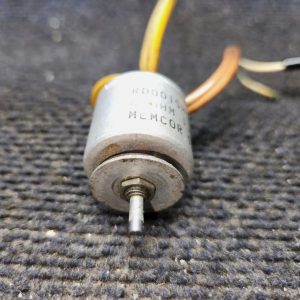
P/N RD0015H1600JBC may support scheduled electrical maintenance, panel-light troubleshooting, classic-aircraft restoration, or completion of a compatible cockpit project.
Accurate use of Cessna 172F Rheostat, Cessna 172F Lighting Rheostat, and Cessna 172F Panel Light Rheostat terminology improves search relevance without overstating fitment.
The Cessna 172F Cockpit Dimmer, Cessna 172F Instrument Light Control, Cessna Instrument Panel Rheostat, and Cessna Cockpit Lighting Control phrases represent closely related electrical searches.
Whether buyers need an Aircraft Lighting Rheostat, Aircraft Panel Light Dimmer, Aviation Lighting Control Rheostat, or Aircraft Instrument Lighting Control, professional evaluation should precede use.
Cessna 172F Electrical Parts, a Cessna 172F Dimmer Switch, Cessna Panel Lighting Control components, and a Cessna Aircraft Rheostat may be sourced together during a complete cockpit electrical project.
Why the Exact Rheostat Part Number Matters
Every letter, number, and suffix should be recorded because similar rheostats may differ in resistance, wattage, shaft style, terminal arrangement, dimensions, and operating characteristics.
The intended panel position and controlled lighting circuit should be established before installation.
Understanding the No-Knob Configuration
The shaft diameter, length, shape, flat, spline, retaining method, and panel clearance should be measured before selecting a knob.
The replacement knob should attach securely without damaging the shaft, binding the rheostat, or contacting the panel surface.
Cessna Cockpit Light Adjustment
System-level understanding supports more accurate troubleshooting and replacement.
Replacing the rheostat without diagnosing the full circuit may leave the original fault unresolved.
Aircraft Serial and Wiring Applicability
Production changes, previous panel modifications, lighting upgrades, replacement wiring, and modern avionics installations can affect the required control.
Terminals should not be rearranged or bridged casually to make an unsuitable rheostat function.
Assessing a Used Cockpit Dimmer
A detailed inspection provides stronger evidence than a general good-condition description.
Evidence of pliers, forced knob removal, hammering, or improvised modification should be disclosed.
Preventing High-Resistance Connections
Heat discoloration can indicate excessive resistance, overloading, loose connections, or another unresolved circuit problem.
Improvised jumper wires or substituted terminals can change circuit operation and introduce additional failure points.
Determining Rheostat Test Status
The resistance should change in a predictable manner through here the control range without abrupt open circuits, severe jumps, or inconsistent contact.
Applying unconfirmed voltage or excessive load can overheat or permanently damage the rheostat.
Troubleshooting a Cessna Cockpit Dimmer
Structured troubleshooting helps prevent unnecessary parts replacement.
System-level diagnosis supports a dependable Cessna 172F Panel Light Rheostat repair.
Cessna Panel Lighting Restoration
A Cessna 172F Rheostat can provide valuable restoration potential for owners preserving the appearance and function of an original-style cockpit.
Professional restoration supports both presentation and practical cockpit operation.
Managing Electrical Parts Inventory
The entire lighting circuit should be examined before all required components are ordered.
Clear component control reduces accidental installation of unverified cockpit parts.
Cessna Dimmer Switch Repair Considerations
Repair should not be selected solely because an original component is difficult to replace.
The repaired component should be tested through its full range before installation.
Rheostat Purchase Considerations
A clean exterior can improve presentation but does not replace electrical testing and detailed inspection.
Transparent commercial information supports responsible Cessna Aircraft Rheostat transactions.
Evaluating P/N RD0015H1600JBC
A detailed review reduces unsuitable purchases and unexpected electrical work.
- Request detailed photographs of every marking, terminal, mounting thread, shaft surface, housing area, attached wire, repair, and included component.
- Review any test results for resistance consistency, continuity, dead spots, intermittent operation, and terminal mapping.
- Inspect and photograph the rheostat immediately after delivery before cleaning, testing, opening, repairing, wiring, mounting, or modifying it.
Protecting Cessna Electrical Parts in Transit
A rigid container with suitable padding can prevent the component from moving or contacting loose hardware.
The component should not be stored by hanging it from attached wires or unsupported terminals.
Installing the Cessna 172F Rheostat
The replacement rheostat should be compared with the original component for ratings, terminal arrangement, mounting dimensions, shaft style, and circuit function.
The shaft should rotate freely after mounting and should remain properly aligned with the replacement knob and panel opening.
P/N RD0015H1600JBC.
Preventive Cessna Electrical Maintenance
Long-term maintenance includes checking control movement, knob security, mounting tightness, terminals, wiring, heat discoloration, corrosion, lighting response, and panel condition.
The control knob should not be pulled, twisted beyond its stops, or used as a support for other equipment.
Cessna 172F Rheostat Conclusion
The Cessna 172F Rheostat (No Knob)
The strongest purchasing decision begins with confirming the complete part number, manufacturer, aircraft applicability, circuit function, resistance range, voltage, power rating, terminal arrangement, shaft dimensions, knob requirements, test status, and documentation.
Whether the part is purchased for scheduled maintenance, panel restoration, troubleshooting, vintage-aircraft preservation, replacement, or spare inventory, transparent information and professional oversight provide the strongest foundation.
P/N RD0015H1600JBC can deliver a professional combination of panel-lighting control, restoration relevance, electrical replacement value, and classic Cessna application potential.
Report this page